Blog

Yoga

Pratipaksha Bhavana: Yoga Sutra 2.33

“When disturbed by negative thoughts, opposite [positive] ones should be thought of. This is pratipaksha bhavana.” (Swami Satchidananda translation)

“When doubt or wayward thoughts disturb the cultivation of a calm mind, generate the opposite: a counterforce of thoughts, images, or feelings that have the power to uplift, invigorate, inspire, and steady the mind. This is pratipaksha bhavana.” (Rev. Jaganath translation)

pratipakṣa = the opposite

bhāvanam = cultivation

In this practice, we consciously choose to replace a negative, unhelpful thought with a positive one. For example, instead of focusing on a thought such as “This world is a mess,” we choose something like “This world has so much beauty in it.” We might go on to think of all the beautiful places or situations we know. Instead of a thought such as “My son is ruining his life,” we choose something like “I love my son no matter what.”

This practice can also be used with thoughts about ourselves. A thought like “I’m so weak” can become “I’m getting stronger each day.” The positive thought generates a positive energy within us to take whatever actions we’re able to take while letting go of whatever is beyond our control.

Repetitive thoughts form what Yoga calls samskaras. These samskaras are like ruts in the mind: We have a tendency to fall into them over and over because that is what we have done in the past. The negative ruts are well-worn. However, the good news is that, with regular practice, we can form new ruts that move in a healthy, positive, uplifting direction.

Try this:  Write out two or three negative thoughts that plague you. Then, write the positive thought for each one you wish to use instead. Begin countering the negative thought with the positive one as you go about your days.


Spirituality

An Inner Drive

Here’s brilliant writing from Richard Rohr and shared in the Daily Meditation, “The Departure and the Return,” for today. I’ve been sensing this for years now:

We are created with an inner drive and necessity that sends all of us looking for our True Self, our true home, whether we know it or not. This journey is a spiral and never a straight line. There is a God-size hole in all of us, waiting to be filled. God creates the very dissatisfaction that only grace and finally divine love can satisfy. We dare not try to fill our souls and minds with numbing addictions, diversionary tactics, or mindless distractions. The disguise of evil is much more superficiality and willful ignorance than the usually listed ‘hot sins.’ God hides, and is found, precisely in the depths of everything… Once we touch upon the Real, there is an inner insistence that the Real, if it is the Real, has to be forever…. In other words, heaven/union/love/home now emerge from within us, much more than from a mere belief system or any belonging system, which largely remain on the outside of the self.

— Richard Rohr

To me, this is also why most churches/religions FAIL to bring people to God even though that’s supposedly why they exist. They become caught up in dogma/belief or socializing or service to the community. Not that those things are necessarily bad. It’s just that they can so easily become distractions from our real goal: a true experience of God which then fuels our existence and service in this world.

We are meant to become love in this world. True spirituality makes us more inclusive, understanding, and compassionate toward all suffering everywhere in the world.

Photo by Johannes Plenio on Pexels.com
Spirituality

Life is Now

“If there is the slightest feeling of boredom, irritation, or lack in meditation or prayer, it is because we have left the eternal now and followed thought into the past or future.”

— Rupert Spira, The Heart of Prayer, p. 91

I love this quote because it reminds me I already have everything that’s needed in the present moment: There is peace, love, joy, fullness right here when I’m truly paying attention. The mind is never satisfied, is always seeking something other than the present moment – as if happiness could be found “out there” somewhere. But Yoga (“union”) reminds us we’re already One, already complete as is. All we need to do is recognize this Truth and enjoy it. Then live and love!

Photo by Elina Fairytale on Pexels.com
Yoga

How to Explain Yoga?

At the end of every semester, I ask my university yoga students (physical education) to answer the following question: “How would you explain Yoga to someone who knows nothing about it?” Here are two responses I received this year.

“To someone who has never practiced nor known anything about the experiences yoga can bring a person, I would describe it as follows: ‘It’s something older than you would think which has been brought into our culture as a fad, but it has helped us nonetheless. It’s a spiritual connection you have with the universe around you and with your own body that no one else can critique or feel or even imagine. Every experience is unique to the person practicing. It’s a beautiful thing combining body and soul if you desire and practice, or it can be used as a significant exercise regimen. There are so many ways to enjoy and participate, and my knowledge hardly scratches the surface.'”

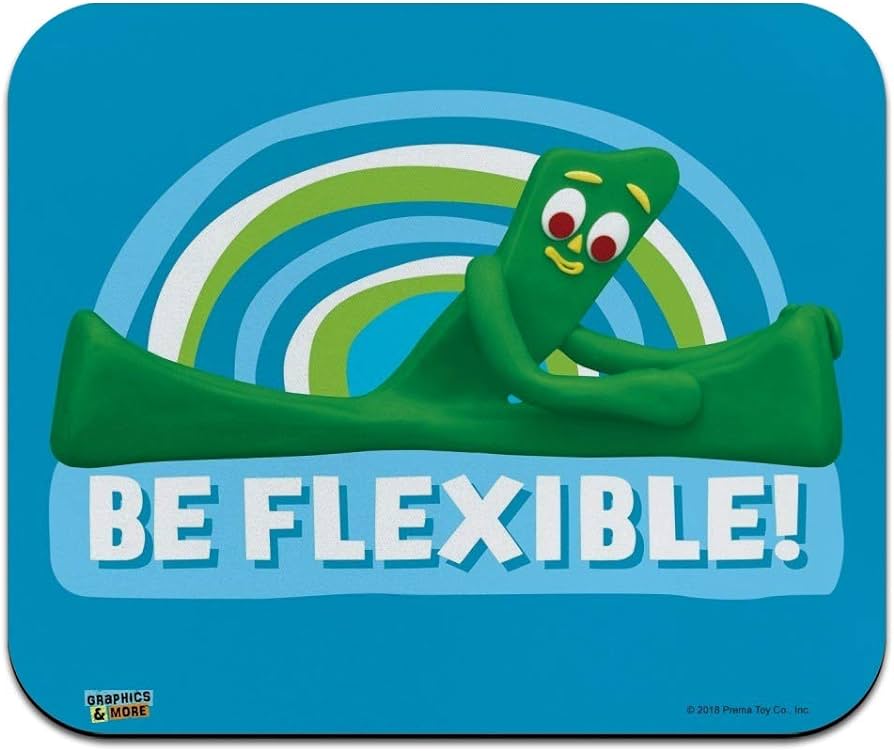
“The best way to explain Yoga to someone who knows nothing about it is to think of themselves as Gumby. Gumby is a character who is green and made of clay, allowing him to stretch to all shapes and sizes. His stretchiness allows him to twist, pull, fold and flex—all things that occur in Yoga. While he returns to his original form after each stretch, it’s clear that it has taken a toll on him and he needs time to relax afterwards. In Yoga, all poses require some form of flexibility and the skills Gumby has. At the same time, the practices of concentration and meditation are things Gumby must do to carry out a task but to also reflect or heal from it afterwards. Gumby was one of my favorite shows growing up and I think this little green character is the best way to explain Yoga to someone who knows nothing about it. Using cartoon characters makes Yoga less scary and relatable in a sense that touches your inner child.”

Spirituality

Transparent Mentors

“There are more fake gurus and false teachers in this world than the number of stars in the visible universe. Don’t confuse power-driven, self-centered people with true mentors. A genuine spiritual master will not direct your attention to himself or herself and will not expect absolute obedience or utter admiration from you, but instead will help you to appreciate and admire your inner self. True mentors are as transparent as glass. They let the light of G-d pass through them.”

— Shams of Tabriz

Photo by Pixabay on Pexels.com